California Range Safety Fail: A Father's Day Shooting Disaster and What It Teaches Us
12/1/2025
Every firearm enthusiast treasures those perfect range days—crisp morning air, empty lanes, and the promise of quality trigger time. But when Atticus Thraxx rolled up to his local California shooting range on Father's Day 2020, what should have been an ideal morning devolved into a masterclass of what not do at a public gun range. His experience offers crucial lessons for anyone who values range safety and shooting range etiquette in today's firearms community.
The Incident: A Perfect Storm of Range Safety Failures
The day started promisingly enough. Arriving first meant prime lane selection and first dibs on discarded 30-06 brass—a small joy for reloading enthusiasts. But the warning signs appeared immediately. The range officer, nicknamed "Cliff Clavin" for his know-it-all demeanor, demonstrated the kind of distracted supervision that turns ordinary range days into potential tragedies.
While Thraxx was downrange placing targets, another shooter appeared at the prone station with an uncased firearm—a clear violation of the range's "no uncasing until RO says OK" rule. The range officer was nowhere to be found. Only Thraxx's vocal intervention prevented a dangerous situation, forcing the clueless shooter to retreat behind the safety line.
The "Interesting" Characters Arrive
If the safety violations weren't concerning enough, the cast of characters that followed transformed the range into a surreal cautionary tale:
- Pajama Guy: A 250+ pound man in bright blue pajama bottoms and slippers, wielding a banged-up M1 Garand that peppered neighboring shooters with hot brass
- Mad Max: A tactical vest-wearing, fingerless glove-sporting shooter in black flip-flops rolling a massive case to the far lane
- The Absentee RO: Cliff Clavin remained MIA during critical safety moments
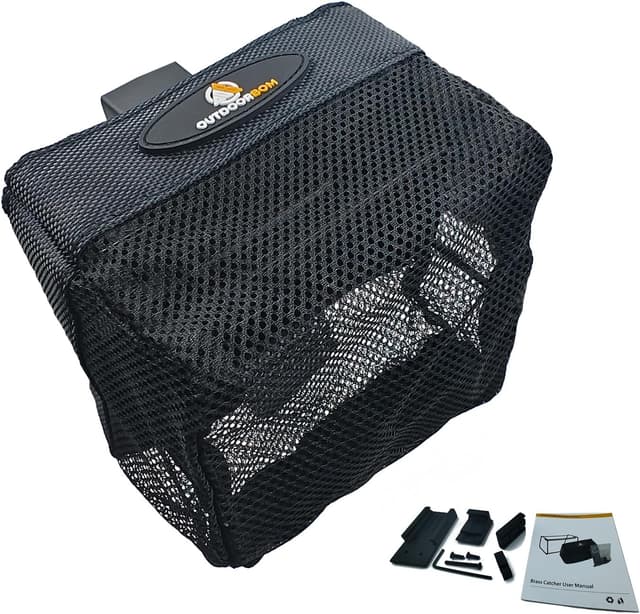
When Thraxx politely asked Pajama Guy about a brass catcher to prevent hot cartridges from landing on his rifle and coffee, the response was hostile. The range officer eventually produced a brass catcher, but the damage was done—both to Thraxx's shooting session and his confidence in the range's safety culture.
Critical Safety Failures Exposed
1. Negligent Range Officer Responsibilities
The most glaring issue? The range officer's complete failure to maintain control. Range officers aren't just ceremonial positions—they're the last line of defense against accidents. Effective ROs must:
- Maintain constant visual contact with all shooters during ceasefires
- Enforce firearm handling rules consistently, regardless of shooter experience
- Address unsafe behavior immediately, not after complaints
- Lead by example with professional demeanor and attentiveness
As one forum commenter noted: "There should be only one kind of RO and we don't have that." This range suffered from an "expert on everything, yet nothing at all" mentality that prioritized ego over safety.
2. Inappropriate Attire: Fashion vs. Function
The flip-flop and pajama debate reveals a deeper issue in the shooting community. While some argued against being "judgmental," experienced shooters correctly identified the functional safety risks:
- Hot brass between toes causes involuntary reactions that can lead to dropped firearms
- Inadequate foot protection risks injury from ricochets, dropped weights, or equipment
- Loose clothing can trap ejected cartridges against skin, causing dangerous flinching
As veteran shooter 44 AMP explained: "I really don't want to be there when Mr Flip-flop has something hurt their foot (due to not wearing substantial footwear) and goes hopping about in pain, while possibly HOLDING A LOADED GUN!!"
3. Lack of Basic Shooting Range Etiquette
The brass situation perfectly illustrates selfish behavior that plagues public ranges. One member's response—"If the rules don't require a brass catcher I would have told you to stuff it"—exemplifies the "you do you" attitude that undermines community safety.
Proper range etiquette includes:
- Managing your brass to avoid hitting neighbors
- Respecting ceasefire protocols without question
- Keeping firearms cased until authorized
- Accepting correction gracefully when making mistakes
The Great Debate: Judgment vs. Safety Standards
The forum discussion revealed a generational and philosophical divide. Older, experienced shooters emphasized discipline and presentation, while younger participants accused them of being "judgmental boomers." Both sides have valid points.
The compromise: Focus on objective safety standards rather than subjective fashion choices:
✅ Required: Closed-toe shoes, eye/ear protection, proper firearm handling
❌ Not Required: Tactical gear, expensive equipment, "serious" appearance
✅ Appreciated: Basic courtesy and awareness of others
As one wise commenter noted: "Don't judge a book by its cover. His cover is to most laughable, but he is Hell with a rifle, especially in the wind." The key is distinguishing between harmless personal expression and genuine safety threats.
Essential Firearm Safety Rules for Public Ranges
Based on this incident and community wisdom, here are non-negotiable practices:
- Inspect the RO: If the range officer seems disinterested or absent, leave. Your life is worth more than the range fee.
- Dress for Safety: Wear closed-toe shoes, high-neck shirts, and avoid anything that could interfere with firearm operation.
- Bring Your Own Brass Catcher: Don't depend on others' courtesy. Protect yourself and your equipment.
- Trust Your Instincts: If something feels wrong, pack up. One forum member left after seeing unsafe gun handling and never returned.
- Know Emergency Procedures: Identify exit routes and first aid stations before shooting.
How to Choose a Safe Shooting Range
Not all public ranges are created equal. Look for these green flags:
- Active, engaged ROs who constantly patrol rather than hiding in an office
- Clear, posted rules that are actually enforced
- Reasonable lane spacing to minimize brass interference
- Separate areas for different shooting disciplines (rifle, pistol, tactical)
- Positive community reputation with reviews mentioning safety, not just equipment
Private clubs and BLM land often provide safer alternatives for experienced shooters who've grown weary of public range chaos.